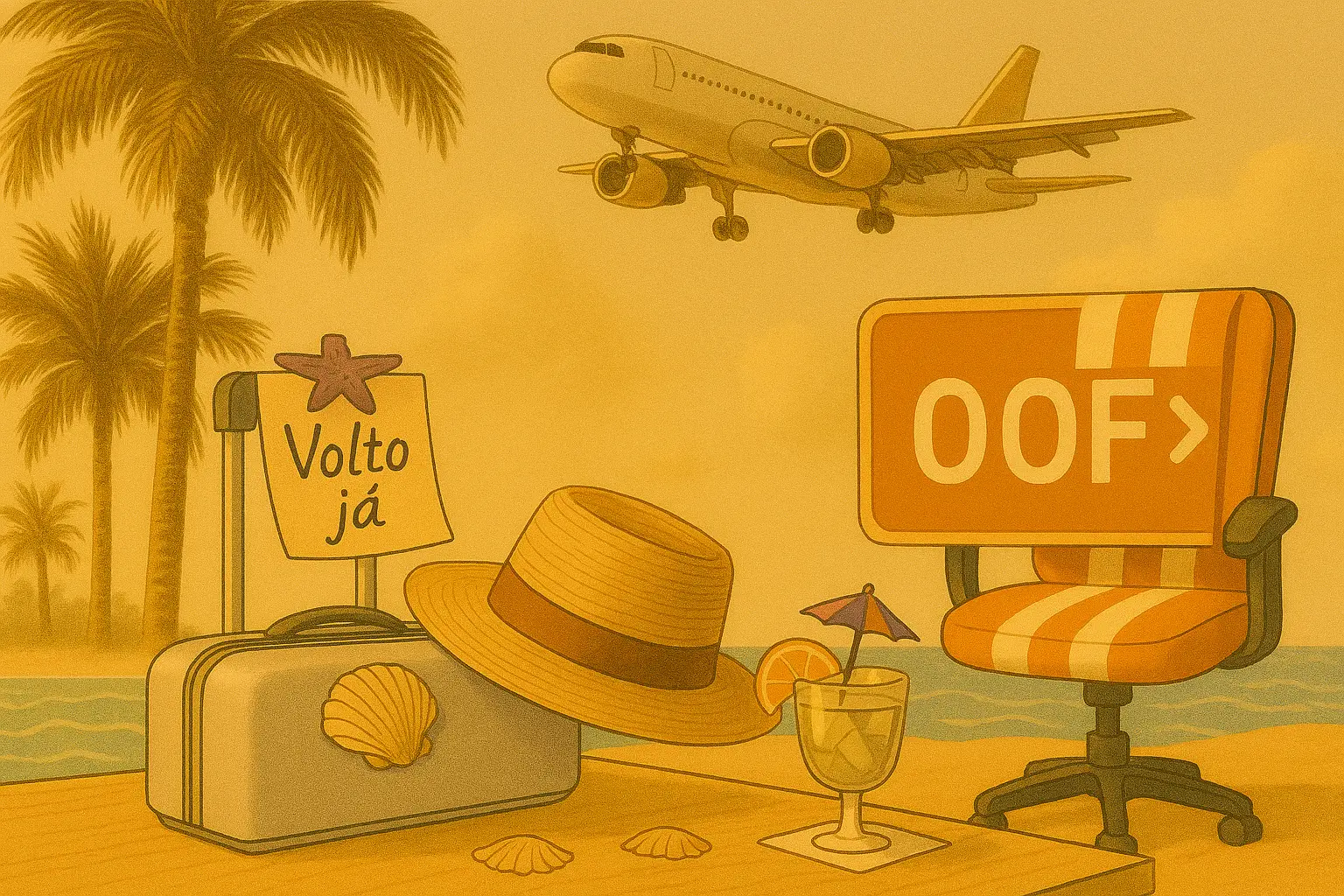
The kind of rest that restores the brain, brings empathy back online, and sustains human leadership.
In the accelerated rhythm we started 2026, many people feel like their empathy simply… shut off. Patience disappears, cynicism grows, irritation becomes the norm. It’s not a character flaw, it’s compassion fatigue, emotional exhaustion that appears when we care too much for others and too little for ourselves.
And when that combines with burnout, the result is a brain stuck in survival mode.
But there is a simple, accessible, scientifically powerful antidote: real vacations. It’s not a luxury. It’s neurological maintenance.
When compassion “shuts down,” what happens in the brain?
Compassion fatigue isn’t just tiredness. Research in social neuroscience shows that when we empathize without pause, we activate regions linked to pain, such as the anterior insula and the anterior cingulate cortex. Over time, the brain protects itself by reducing this activation.
The practical effect at work:
- less patience
- less connection
- less human-centered leadership
Burnout keeps cortisol high for months, harming the hippocampus (memory and emotional regulation) and reducing neuroplasticity. Empathy, which depends on emotional flexibility, goes offline.
The vacation “reset”: what science already knows
When you take a vacation and truly disconnect, the brain performs an impressive reboot.
- Cortisol drops Real breaks quickly reduce the stress hormone. High cortisol kills empathy; normal levels restore it.
- The Default Mode Network (DMN) turns back on This is the network of daydreaming, reflection, and cognitive empathy. It stays suppressed at work, and comes back to life when you walk without rushing, watch the ocean, or simply breathe.
- Neuroplasticity increases Novelty (travel, culture, food, environments) releases dopamine and norepinephrine, boosting new neural connections. Enriched environments increase cortical connectivity, improving creativity, flexibility, and compassion.
- In moderate cases, vacations restore faster than verbal interventions Therapy is essential for deep patterns. But for compassion fatigue and moderate burnout, vacations offer an immediate physiological reset: sleep, dopamine, emotional energy.
If it helps so much, why do so many people avoid taking vacations?
It’s not a lack of PTO. It’s fear.
Recent research shows that 47–60% of people feel guilty when taking time off. Fear of seeming less committed, losing space, or returning to a mountain of work.
In the U.S., 1 in 4 workers took zero vacation days in 2024/2025. In Brazil, 61% are afraid to “disconnect.”
This fear is cultural — not personal. And it fuels exactly the problem we’re trying to avoid.
What the data shows
- Short, frequent vacations work better than one long annual break.
- Leaders who model disconnection reduce turnover and increase collaboration.
- Accumulating vacation days out of fear is costly: productivity drops, empathy evaporates.
How to maximize the effect (and overcome the fear)
- Truly disconnect: inform your team, set an auto‑reply, airplane mode.
- Seek novelty: small changes already increase neuroplasticity.
- Take frequent breaks: don’t wait for collapse.
- Return slowly: avoid heavy meetings in the first days back.
- Leaders, model it: rest is culture, not a speech.
Conclusion: compassion is a renewable resource
Vacations don’t fix toxic environments; they require systemic change. But neurologically, rest is empathy’s greatest ally. It recharges the brain, restores our capacity for connection, and brings humanity back to work.
References
Short and frequent vacations • Etzion, D. (2003). Annual vacation: Duration, relief and regression. Strauss-Blasche, G. et al. (2000). Time course of well-being after a three-week vacation. European well‑being research from the University of Tampere.
Leadership, disconnection, and collaboration • Gallup — State of the Global Workplace (2023–2025). Harvard Business Review — The Busier You Are, the More You Need Quiet Time.
Impact of not taking vacations • American Psychological Association (APA) — studies on chronic stress and executive functions. Deloitte — Workplace Burnout Survey (2024–2025). Project Time Off — annual reports on vacation usage in the United States.
Guilt and anxiety about taking vacations • Project Time Off — research on “vacation guilt.” YouGov and Ipsos — global surveys on guilt and fear of disconnecting.
1 in 4 U.S. workers without vacations • U.S. Travel Association — 2024/2025 reports. Pew Research Center — data on PTO usage.
Fear of disconnecting in Brazil (61%) • Think Work — research on rest culture and fear of unplugging. Robert Half Brazil — studies on vacation‑related anxiety. MindMiners — surveys on stress and disconnection. LinkedIn Workforce Confidence Index — data on professional behavior in Brazil.